Online Games: How Browsers Became Fun Again
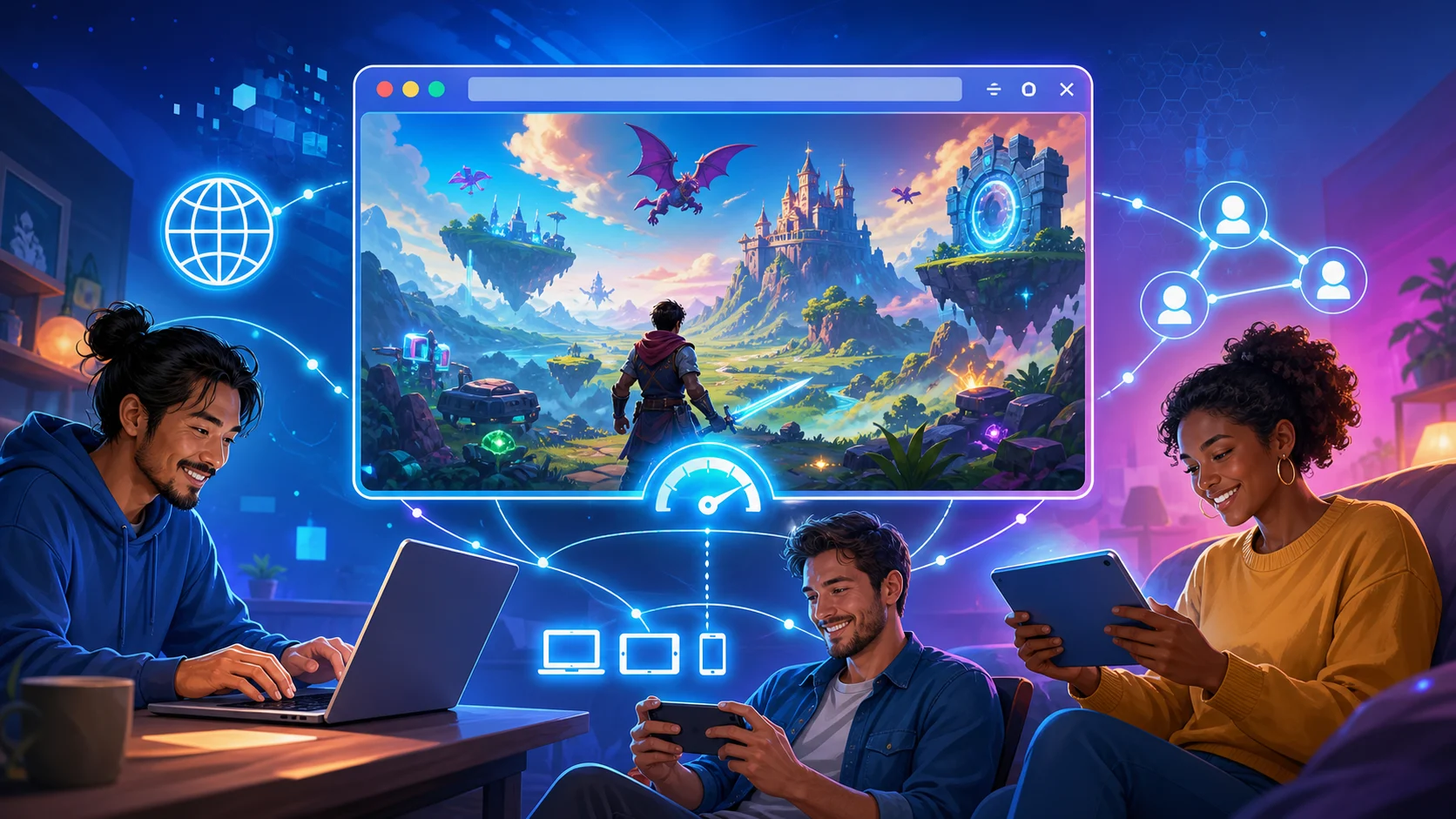
For many people, web browsers were once tools for reading news or answering email rather than places to play games, especially after old site plugins got shut down. But instead of dying off, browser entertainment actually got way better. Creators figured out how to build fast, colorful worlds that begin loading as soon as you click a link. Today, Online Games thrive because you do not need to download huge files or clear space on your computer just to have a good time.
The Shift to Modern Web Standards
Years ago, playing a game inside a browser was often a frustrating ordeal. You constantly had to update third-party plugins, sit through annoying security prompts, and cross your fingers so that the page wouldn't freeze your entire computer. When tech companies finally phased out those outdated plugin systems, many players and developers worried that web-based fun was officially dead.
That fear proved unfounded. Web browsers evolved at a rapid pace, building powerful graphics tools directly into their core code. Developers no longer need tricky add-ons or risky downloads to make something smooth and responsive. Modern games can run directly inside an open tab, making the overall experience far cleaner, safer, and much more reliable for everyday users.
Why Immediate Access Wins Over Big Downloads
Not everyone has the patience, time, or storage space for massive multi-gigabyte downloads. When you only have twenty minutes to spare during a work break or between classes, you want something that starts right away. That immediate convenience is why many people turn to Online Games when they need a quick mental breather or a fun distraction.
Device flexibility makes this model even more attractive to modern audiences. A well-optimized browser project can support a wide range of laptops, smartphones, and tablets, although performance still depends on the device and the game. You often avoid a separate installer, lengthy setup, and large storage requirements. You just click a link, play for a few minutes, and close the tab whenever you are ready to move on.
How the Open Web Gives Independent Teams Complete Creative Control
Trying to launch a project on major storefronts often beats down solo developers before they even get off the ground. You end up jumping through strict regulatory hoops, giving away huge chunks of revenue, and waiting on slow approval queues just to push a tiny bug fix. Publishing directly on the web gets rid of all that overhead. You host the file yourself, share the link wherever you want, and build a relationship with your audience without asking a company for permission.
This direct setup gives developers of Indie Games space to take wild creative risks. Nobody is standing over their shoulder telling them to follow current market trends, copy a popular game loop, or dumb down mechanics for focus groups. Creators can build weird, atmospheric, or niche projects that big publishing houses would kill in pre-production. That freedom is what brings fresh, unpredictable ideas back into digital entertainment.
Smart Software Unleashes Solo Game Creators
Making a video game by yourself used to be a fast track to giving up. You would spend three weeks drawing a single character animation, get exhausted, and leave the project sitting in a folder forever. Modern creators don't really run into that wall the same way anymore. Code assistants and rapid asset-prototyping tools can shorten repetitive tasks, although creators still need to review the output and complete the design work.
These tools are one reason small teams can prototype browser games more quickly. Procedural systems and reusable components can also reduce the amount of content that must be authored by hand. Some games use generated dialogue, procedural maps, or branching systems, but each feature requires deliberate design and testing. Single creators can now launch fully interactive worlds straight to the web, no publisher cash needed.
Top Places to Discover Great Web Titles Without Spending a Dime
Sending a game link over a chat app remains one of the best things about web-based play. Nobody has to create a store account, download a massive installer, or go through a tedious sign-up sequence. For multiplayer titles that support link-based sessions, a shared URL can put the group in the same room with very little setup.
Tracking down endless Free Games used to mean wading through sketchy, ad-riddled pages. Sites like Mopoga make discovery easier by organizing playable titles in a clean, browsable directory. Having these hubs around helps players browse Online Games while giving indie developers another way to reach interested players.
- No need to sign up for accounts, download desktop launchers, or clear out hard drive space.
- Platforms like Mopoga bring different titles together in one place, making it simple to browse around.
- New developers get actual players testing their work on day one rather than shouting into an empty void.
How Independent Developers Actually Pay Their Bills
Making web games as a hobby feels great, but server hosting and rent still require real money. Thankfully, we are mostly past the awful era of loud pop-up ads taking over your screen. Developers today rely on much cleaner methods, like small side banners, optional video ads for extra perks, or a simple tip button where players can drop a few dollars.
Cultivating a solid fanbase on social channels makes a massive difference as well. A developer might put their whole game online completely free, then sell art books, music tracks, or extra levels on the side. Fans who want to support the creator happily chip in, which keeps the main experience open and free for everybody else.
Where Web Experiences Are Heading Next
Web browsers keep getting faster and more capable with every passing year. Modern updates allow web browsers to tap directly into your device's raw processing power, delivering crisp visuals and smooth movement that can approach traditional installed software. What used to be limited to basic pixel art can now feature detailed 3D spaces, complex lighting, and rich sound design.
As these creation tools become even more accessible, the overall ecosystem for Online Games will only continue to expand. Independent developers will keep pushing boundaries, using lightweight tools and instant access to surprise audiences everywhere. The humble web browser is no longer just a document viewer; it has become a full-featured destination for interactive fun on every screen we own.